
14 hr
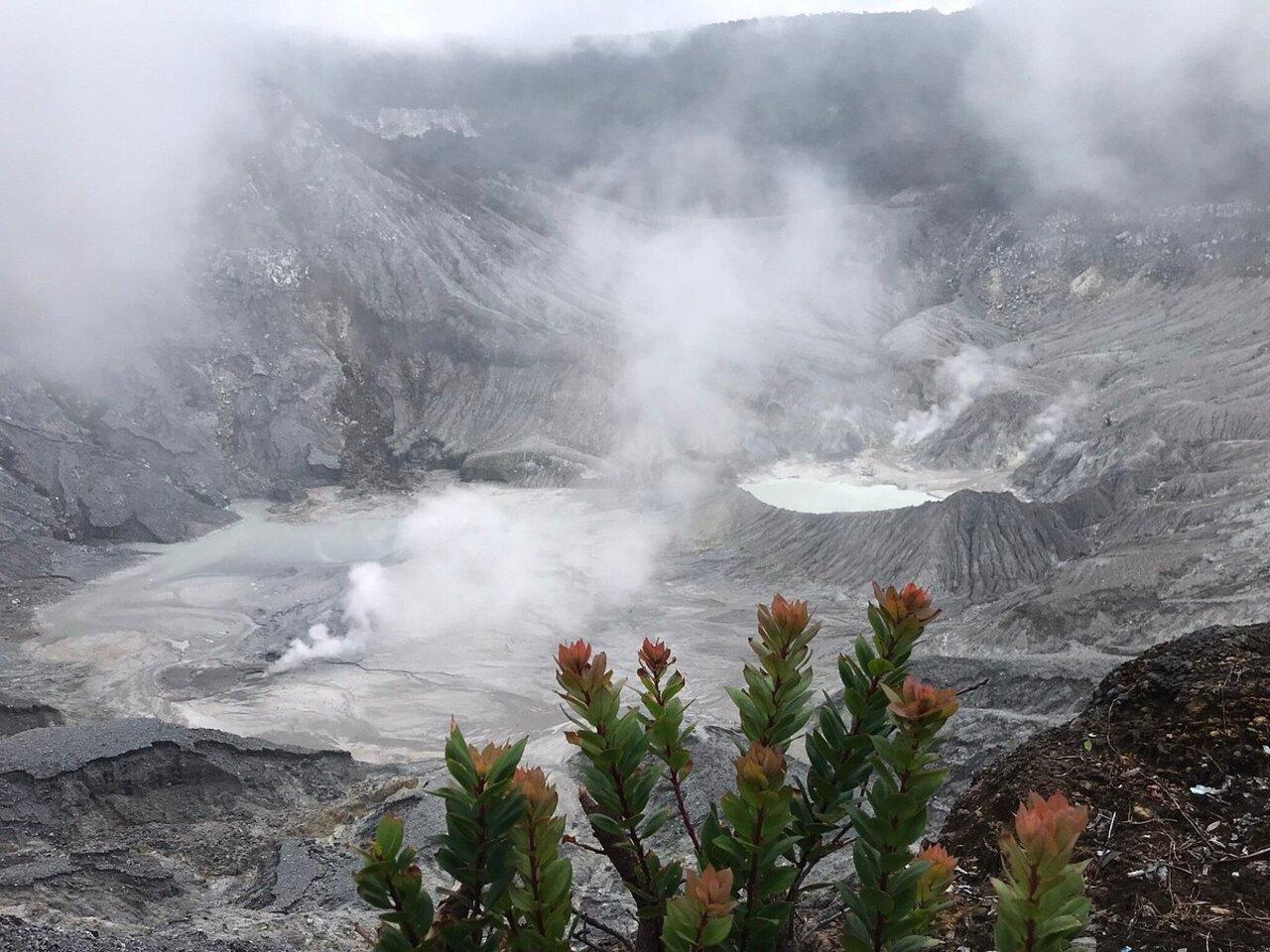
Full-Day Volcano, Tea Plantation & Hot Spring Adventure from Jakarta
Journey from Jakarta to explore an active volcanic crater, lush tea estates, and healing thermal pools
Reserve
Hand-picked by our editors — only the best 5 expeditions from 18 reviewed.
Verified partners for every tour, free cancellation where available, and instant confirmation on every booking.
14 hr
Journey from Jakarta to explore an active volcanic crater, lush tea estates, and healing thermal pools
Reserve
14 hr
Full-day expedition to Indonesia's legendary volcanic island with hiking, snorkeling, and speedboat cruise
Reserve
12 hr
Full-day mountain escape featuring volcanic crater, jungle suspension bridge, thermal springs, and tea gardens
ReservePrices from verified partners. Availability updates in real time at checkout. Free cancellation policies apply where shown.
The landmarks, rooms, and views travelers on this tour remember — all visible on a single visit.
The active cone represents the ongoing geological evolution of the caldera. It is a site of constant change due to frequent eruptions
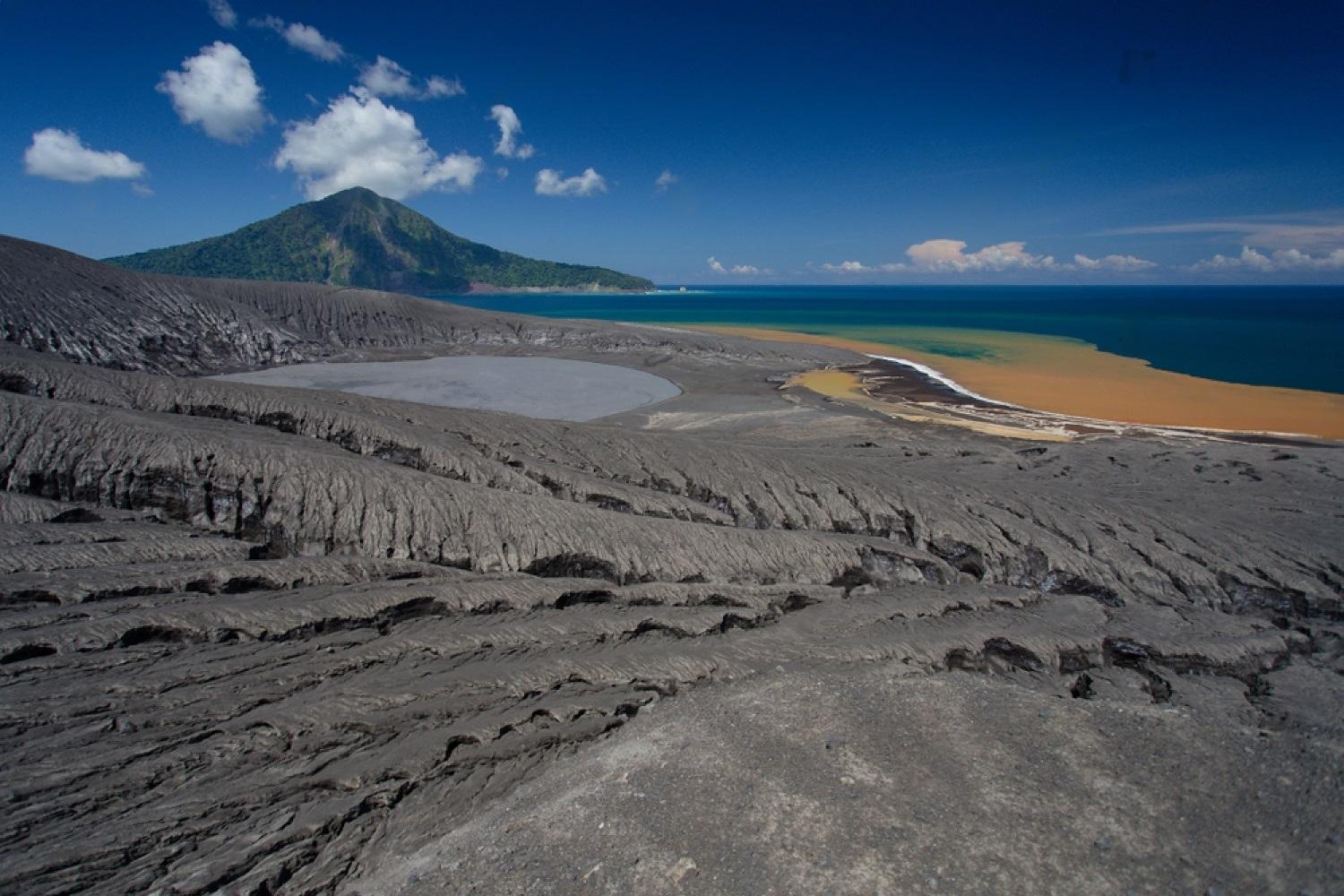
The beaches are composed of dense, dark volcanic ash and basaltic sand. This unique feature contrasts sharply with the blue waters of the Sunda Strait
From the lower slopes, visitors can see the remains of the historic 1883 event. The surrounding landscape provides a sense of the immense scale of the island group
The island displays various volcanic rock types and cooling lava flows. It serves as a living laboratory for geological studies and nature observation
The waters surrounding the island are known for coral reefs and diverse marine species. Many tours include stops for snorkeling away from the volcanic zones.
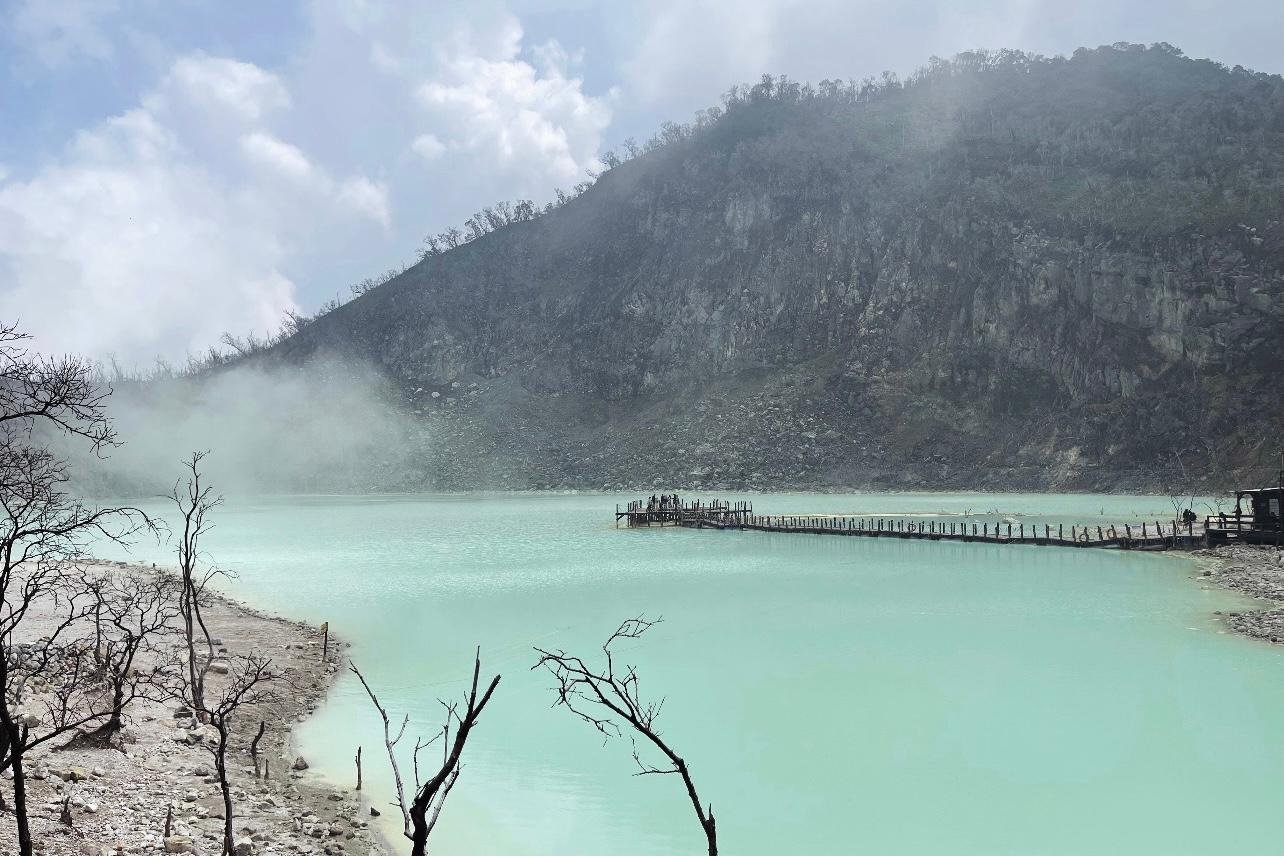
Bandung volcanic sites provide easier land access, whereas a krakatoa volcano tour from jakarta offers an intense maritime expedition to an active caldera. They complement each other; most travelers who do both call the sea journey the more rugged experience.
| Feature | Top pick Krakatoa | Bandung |
|---|---|---|
Primary Focus |
Active caldera exploration | Highland crater sightseeing |
Travel Mode |
Chartered boat transit | Private car or van |
Accessibility |
Remote maritime access | Direct road access |
Risk Profile |
High/Volcanic activity | Low/Public tourism zones |
Duration |
12–16 hours | 8–10 hours |
Best Time of Year |
Dry season (May–September) | Year-round (dry season preferred) |
| See tickets → |
Verdict: For those seeking deep exploration, krakatoa volcano tour from jakarta tickets grant access to the Sunda Strait, while Bandung is better for casual day trips.
Choose your ticket, select your date, and reserve in under two minutes. Secure checkout handled by our verified partner.
Instant confirmation by email, with a mobile voucher you can save offline. No printing, no queuing at a collection desk.
Arrive at the entrance, show your voucher on your phone, and walk in. Most tickets include priority or skip-the-line access.
Practical details for your visit straight from our verified partners — hours, access, rules, and how to get there.
Varies
Central pick-up for krakatoa volcano tour from jakarta bookings
Rent a private vehicle from Jakarta to the Carita harbor. The drive typically takes 3 to 4 hours depending on traffic conditions.
Wear lightweight, moisture-wicking clothing suitable for tropical heat. Sturdy hiking shoes are required for traversing the volcanic ash and terrain.
Keep all personal belongings in waterproof dry bags during the boat transit. Security checks may be conducted by harbor authorities prior to departure.
Photography is permitted throughout the Anak Krakatau site. Use a protective lens cover to prevent volcanic dust damage to camera equipment.
The site is not accessible for individuals with limited mobility due to steep, unstable volcanic slopes. Visitors must be able to climb over uneven terrain.
Mobile reception is intermittent near the Sunda Strait. Download offline maps for navigation prior to leaving the mainland.
The krakatoa volcano tour from jakarta is recommended for older children and teenagers who can manage physically demanding hikes. There are no facilities for strollers or young children on the island.
Carry sufficient hydration as there are no shops or potable water sources on Anak Krakatau. Pack light meals or snacks as facilities are limited to boat provisions.
Animals are not permitted on the boat transfers or the island. Leave pets at authorized boarding facilities in Jakarta or Carita.
Always prioritize safety instructions from your guide regarding volcanic tremors. Monitor the Center for Volcanology and Geological Hazard Mitigation reports for the latest status.
Best time to go, insider tips, nearby landmarks, and the cancellation fine print — flip through to skim what matters to you.
How crowds, weather, and events shift across the year.
Stable seas and clearer skies ideal for boat transit and visibility. Temperatures average 28°C with moderate humidity.
Frequent rainfall and rougher sea conditions often lead to boat cancellations. Monitor marine warnings closely during these months.
Small details that turn a good visit into a great one.
Secure your boat space well in advance due to limited vessel capacity. Weekday tours often provide better availability for your krakatoa volcano tour from jakarta booking.
Review the latest volcanic status for Anak Krakatau before departing Jakarta. Volcanic activity can close the island without warning.
Minimize baggage to ensure comfort on small speedboats. Use soft-sided bags that fit easily in boat storage compartments.
The sun is intense on the open water and the black volcanic sand. Reapply high-SPF sunscreen regularly throughout the excursion.
Stay on marked trails to avoid unstable terrain and hazards. Local guides possess essential knowledge regarding recent volcanic shifts.
Non-bookable sights within a short walk — free to visit, easy to pair.
A protected area known for its biodiversity and Javan rhino habitat.
Flexible, no hidden fees.
Cancellations must be made according to the specific operator terms provided at booking. Access to Anak Krakatau is subject to volcanic activity status and maritime safety regulations.
Hand-picked options within walking distance — pick a district for vibe, or a specific hotel for convenience.
Convenient lodging located near the main harbor for early departures.
On August 27, 1883, Krakatoa's eruption generated the loudest sound ever recorded in human history—heard 4,800 kilometers away in Mauritius—and triggered tsunamis that claimed 36,000 lives across the Sunda Strait. The original volcanic cone collapsed into a submerged caldera, leaving three remnant islands and a window into one of geology's most violent episodes. In 1927, forty-four years after the cataclysm, fishermen observed steam rising from the sea; within months, a new cone breached the surface. Anak Krakatau—"Child of Krakatoa"—has grown at an average rate of thirteen centimeters per week since emergence, its strombolian eruptions depositing fresh basalt layers that geologists monitor through satellite imagery and seismic arrays stationed on neighboring Rakata Island. Today, a krakatoa volcano tour from jakarta serves as both pilgrimage and laboratory. The Sunda Strait forms a biogeographic boundary between Asian and Australasian fauna, and the volcanic islands within it function as natural experiments in ecological succession. Anak Krakatau's slopes, barren after the 2018 collapse event that reduced the summit by two hundred meters, now host pioneering ferns and casuarina seedlings carried by wind and seabirds. Tour operators departing from Jakarta coordinate with Indonesia's Center for Volcanology and Geological Hazard Mitigation to ensure access windows align with alert-level protocols; the volcano remains at Level II (Waspada), permitting boat approaches to within five hundred meters when conditions allow. Most krakatoa volcano tour from jakarta tours pair the strait crossing with stops at West Java highland estates—Gunung Mas tea terraces near Puncak, Tangkuban Perahu's sulfuric craters—offering thematic depth to a region shaped by subduction tectonics and equatorial weathering. The logistical envelope is narrow. Tidal currents through the strait peak at three knots during spring cycles, and visibility drops sharply after midday as convective clouds build over Sumatra's spine. Departure from Carita or Anyer beaches on Banten's west coast occurs before dawn; the two-hour crossing aboard outrigger-stabilized boats brings passengers to within sight of Anak Krakatau's smoking summit by first light. No permanent human settlement exists on the islands—access is restricted, enforced by the Indonesian Navy and the Ujung Kulon National Park authority—but the visual record is immediate: black sand beaches, steaming fumaroles, and the layered stratigraphy of a volcano writing its own geologic autobiography in real time.
"Anak Krakatau has grown at an average rate of thirteen centimeters per week since 1927, depositing fresh basalt layers that geologists monitor through satellite imagery and seismic arrays."
A step-by-step walkthrough of the visit — what you'll see, how long each stage takes, and the details that matter.
You leave Jakarta before sunrise, the highway west threading through Banten's industrial corridor before the coast emerges at Anyer. The boat departs at 07:30, its twin outriggers cutting across the Sunda Strait as Anak Krakatau's silhouette sharpens against the morning sky. Within ninety minutes you're circling the island's eastern flank, close enough to hear the hiss of steam vents and see the stratified ash layers—black, rust, gray—that mark each eruptive cycle since 1927. The captain holds position five hundred meters offshore; you photograph the summit plume, the basalt cliffs, the narrow beach where waves deposit pumice fragments lighter than water. The return crossing lands you at Carita by midday. Most krakatoa volcano tour from jakarta tours continue inland, climbing through rubber estates toward Gunung Mas tea plantation at 1,200 meters elevation. You walk the terraced rows, sample orthodox-process black tea in a colonial-era bungalow, then descend to Ciater hot springs where sulfuric water—heated by the same magma chamber that feeds nearby Tangkuban Perahu—fills open-air pools. The day closes with a late return to Jakarta, the city's lights visible an hour before arrival, the memory of Anak Krakatau's active crater vivid against the evening sky.
Access to Anak Krakatau is 0 IDR as there is no formal gate fee; access is regulated via tour boat operators.
The site is open Monday through Sunday, 00:00–23:59.
The best arrival window for your krakatoa volcano tour from jakarta is 08:00–10:00 to ensure the best tidal conditions and visibility.
While booking krakatoa volcano tour from jakarta tickets is possible, the tour is strenuous and better suited for older children.
There are no lockers on the island; store all valuables securely in your hotel or on the boat.
Due to steep terrain and volcanic ash, the site is not fully accessible for those with limited mobility.
Wear sturdy hiking shoes and moisture-wicking clothing for the krakatoa volcano tour from jakarta.
Photography is encouraged during your krakatoa volcano tour from jakarta, provided you protect equipment from volcanic dust.
No food or water is sold on Anak Krakatau, so you must bring enough supplies for the duration of your visit.