14 hr
Full-Day Volcano, Tea Plantation & Hot Spring Adventure from Jakarta
Discover West Java's natural wonders on a guided day trip featuring an active crater, scenic plantations, tropical fruit tasting, and thermal springs.
Reserve
Stand at the rim of active calderas, where the earth still breathes fire
Hand-picked by our editors — only the best 12 volcano expeditions from 47 reviewed.
Verified partners for Volcano Tour From Jakarta tours, free cancellation where available, and instant confirmation on every booking.
14 hr
Discover West Java's natural wonders on a guided day trip featuring an active crater, scenic plantations, tropical fruit tasting, and thermal springs.
Reserve
14 hr
Discover volcanic craters, verdant tea estates, and natural hot springs on a full-day escape from Jakarta
Reserve
12 hr
12-hour journey through rural West Java visiting an award-winning village, stunning 40m waterfall, and active volcanic crater
ReservePrices from verified partners. Availability updates in real time at checkout. Free cancellation policies apply where shown.
The landmarks, rooms, and views travelers on Volcano Tour From Jakarta tours remember — all visible on a single visit.
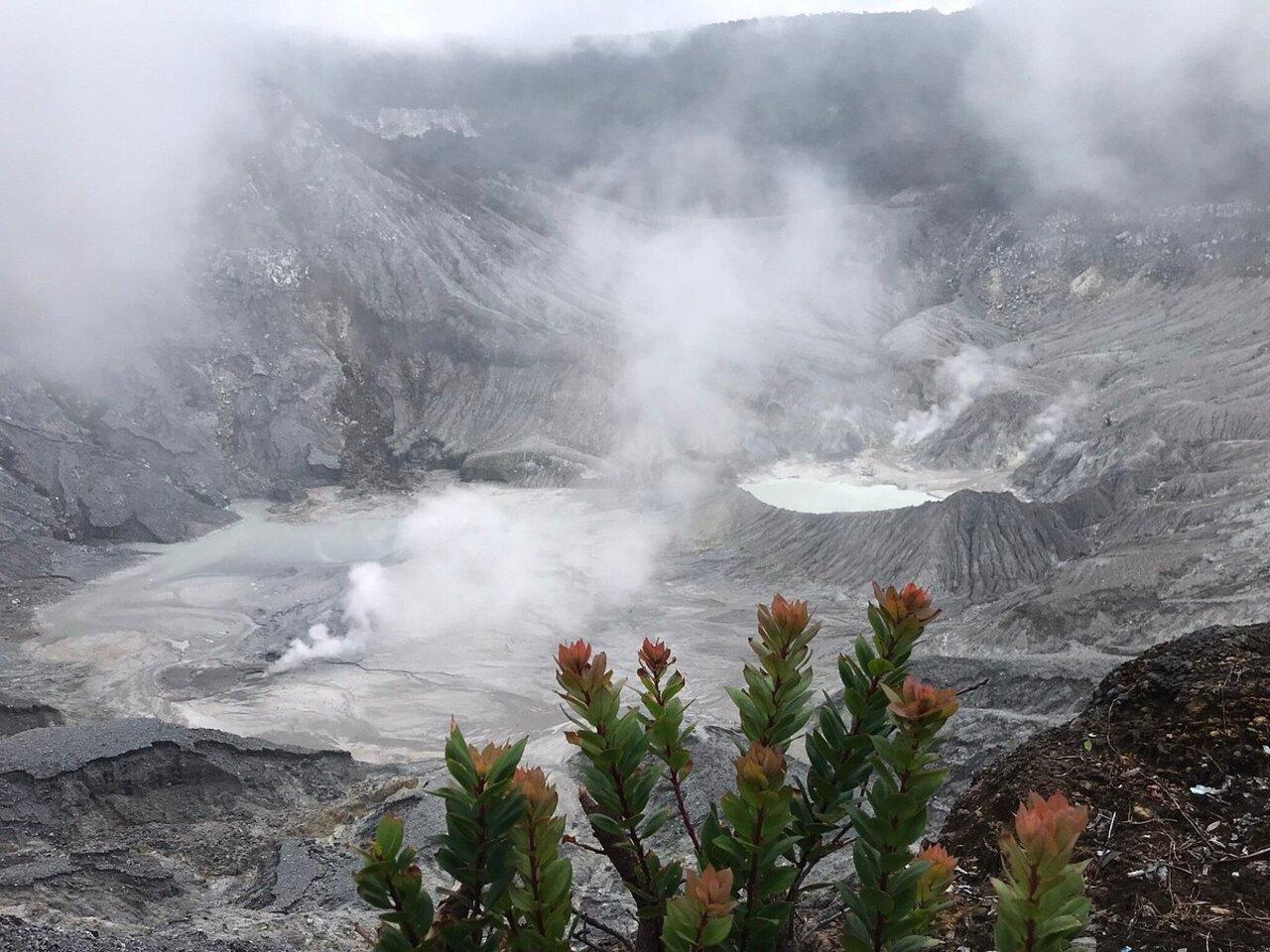
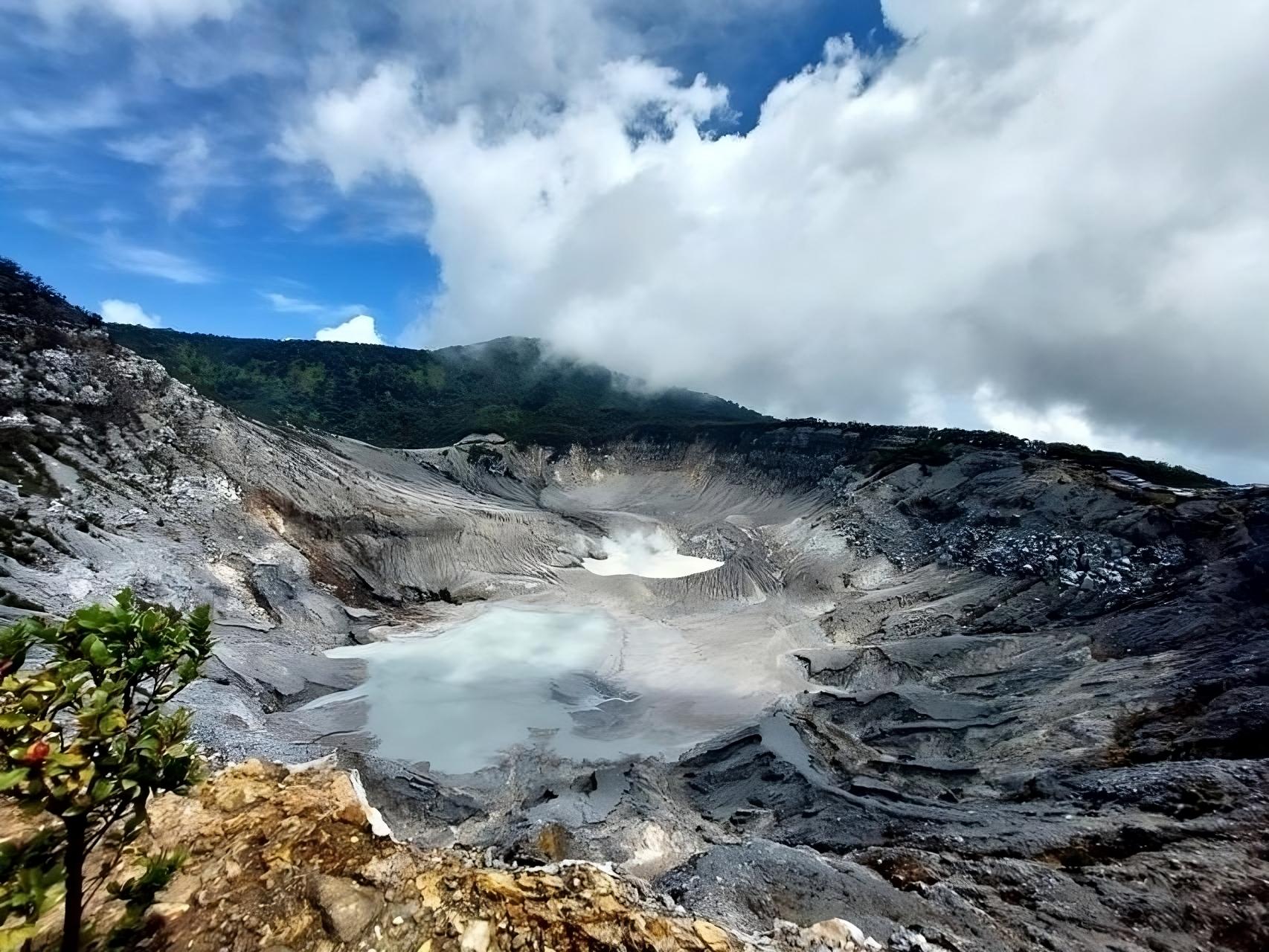
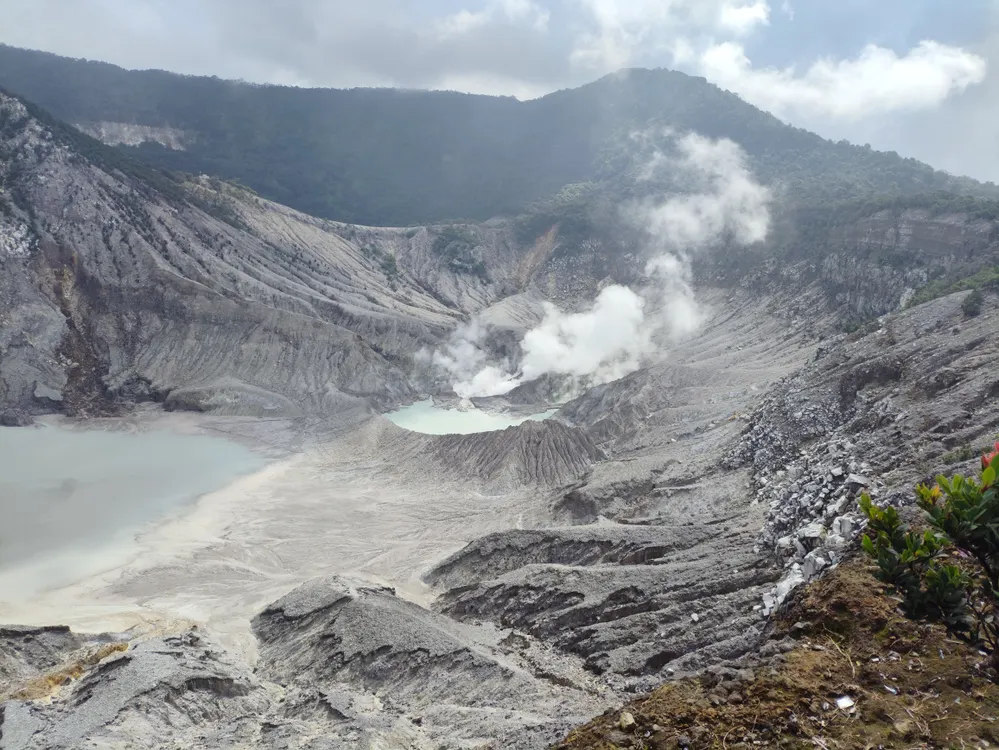
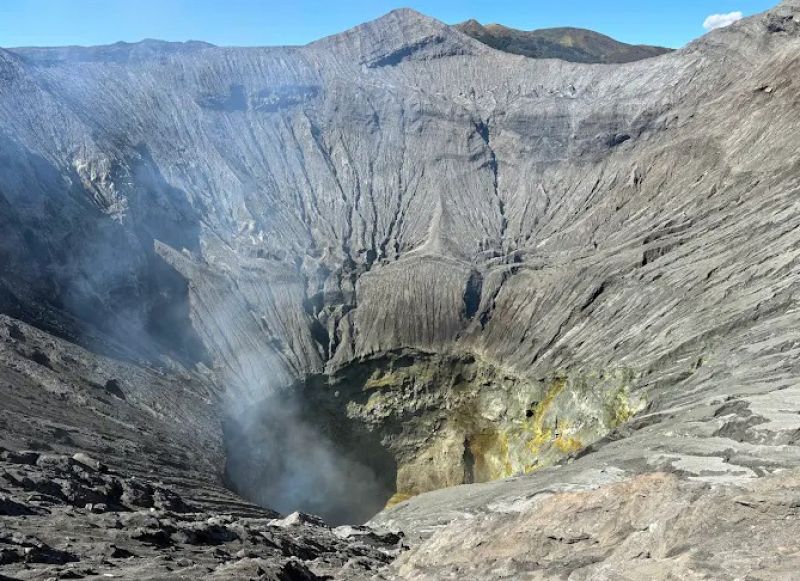
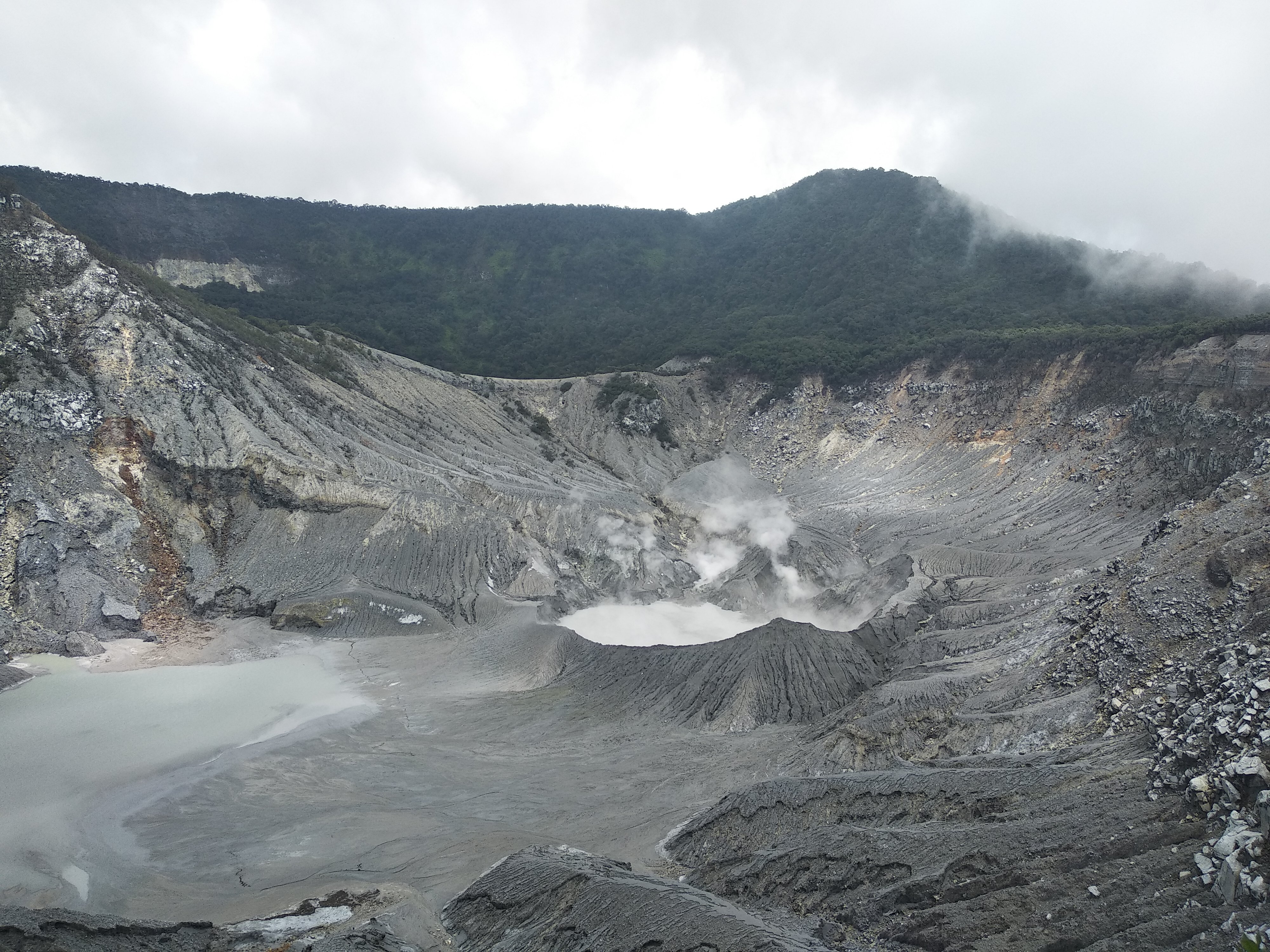
The main crater of Tangkuban Perahu displays large sulfur deposits and steam vents
Domas Crater
Upas Crater
Every Volcano Tour From Jakarta tour side-by-side — duration, what's included, how you redeem.
| Experience | Duration | Rating | Transfers | Pickup | Skip-the-line | Guide | Price | |
|---|---|---|---|---|---|---|---|---|
|
Guided Experience Most popular
Full-Day Volcano, Tea Plantation & Hot Spring Adventure from Jakarta
|
14 hr | ★ 4.8 | ✓ | ✓ | ✓ | ✓ | €93 | Book → |
|
Guided Experience
Bandung Volcano & Tea Plantation Day Trip from Jakarta
|
14 hr | ★ 4.9 | ✓ | ✓ | ✓ | ✓ | €115 | Book → |
|
Guided Experience
West Java: Volcano, Waterfall & Village Discovery
|
12 hr | ★ 5.0 | ✓ | ✓ | ✓ | ✓ | €103 | Book → |
All prices from verified partners. Availability and exact terms confirmed at checkout.
Tangkuban Perahu offers superior ease of access for those seeking a quick volcano tour from jakarta, while Kawah Putih provides a more secluded and atmospheric volcanic lake experience.
| Feature | Top pick Tangkuban Perahu | Kawah Putih |
|---|---|---|
Crater accessibility |
Drive-up access to rim | Moderate hiking required |
Visual scenery |
Active rugged sulfur vents | Turquoise acidic lake |
Sulfur intensity |
High pungent emissions | Moderate to low |
Typical crowds |
High volume weekend tourists | Lower density on weekdays |
Travel time from Jakarta |
3.5 to 4.5 hours | 4 to 5 hours |
Landscape setting |
Barren rocky terrain | Forest-surrounded crater |
| See tickets → |
Verdict: Travelers prioritizing direct crater views should book a Tangkuban Perahu tour, whereas those seeking a scenic lake landscape will prefer the Kawah Putih volcano tour from jakarta tickets.
Choose your ticket, select your date, and reserve in under two minutes. Secure checkout handled by our verified partner.
Instant confirmation by email, with a mobile voucher you can save offline. No printing, no queuing at a collection desk.
Arrive at the entrance, show your voucher on your phone, and walk in. Most tickets include priority or skip-the-line access.
Practical details for Volcano Tour From Jakarta tickets straight from our verified partners — hours, access, rules, and how to get there.
Jakarta city center
Pick-up for private volcano tour from jakarta
Open in Google MapsPrivate transfer is the most reliable way to complete a volcano tour from jakarta.
Wear layers as temperatures at Tangkuban Perahu fluctuate throughout the day. Sturdy walking shoes are required for navigating rocky volcanic trails.
Personal bags are permitted but subject to inspection. Security staff are present at the entrance of this West Java geological site.
Photography is permitted throughout the volcanic park. Drones require specific permits and are restricted near the active crater rims.
The volcanic terrain consists of gravel and uneven paths which are not suited for wheelchairs. Travelers with limited mobility should remain in designated observation zones.
Mobile phone use is unrestricted, though connectivity can be intermittent within the caldera. Consider downloading maps for offline use before departing Jakarta.
The site is suitable for older children. Parents should supervise closely near crater edges and maintain a safe distance from sulfur vents.
Small stalls are available near the parking areas. Visitors are encouraged to carry water as high-altitude trekking can lead to dehydration.
Pets are not allowed within the park boundaries. This policy preserves the local volcanic ecosystem.
The 200,000 IDR conservation fee covers entry per person. Prices are higher on weekends and holidays.
Best time to go, insider tips, nearby landmarks, and the cancellation fine print — flip through to skim what matters to you.
How crowds, weather, and events shift across the year.
June to August offer the driest conditions for a volcano tour from jakarta.
Small details that turn a good visit into a great one.
Start your trip from Jakarta before 05:00 to avoid congestion.
Non-bookable sights within a short walk — free to visit, easy to pair.
A large forest garden with walking bridges and rare orchids.
Flexible, no hidden fees.
Cancellations made 24 hours prior are eligible for a refund. The 200,000 IDR conservation fee is non-refundable once processed.
Hand-picked options within walking distance — pick a district for vibe, or a specific hotel for convenience.
Upscale hotel with mountain views near the city.
Indonesia sits atop the Pacific Ring of Fire, a 40,000-kilometre arc of seismic tension where three tectonic plates collide beneath the archipelago. Of the world's 147 historically active volcanoes, 76 rise from Indonesian soil.
Jakarta itself rests on alluvial plains less than eight metres above sea level, but within a three-hour radius, the island's volcanic spine lifts sharply — Tangkuban Perahu to the north, Krakatoa's remnants in the Sunda Strait, and Mount Bromo's ash-grey caldera 700 kilometres east. These peaks are not dormant monuments. They exhale sulphur, rumble with fumarolic steam, and periodically coat surrounding villages in tephra.
Tangkuban Perahu, 30 kilometres north of Bandung in West Java, translates to "upturned boat" — a profile visible from the mountain road that winds through tea plantations and pine forest. The crater floor lies 2,084 metres above sea level. Visitors descend wooden steps to the rim of Kawah Ratu, the largest of three craters, where sulphuric vapour rises from turquoise pools. The conservation fee, collected at the entrance gate in Cikahuripan, funds reforestation and erosion control across the 400-hectare protected zone. Weekday arrivals see thinner crowds; weekend traffic from Bandung and Jakarta often fills the parking terraces by mid-morning. The site opens at 08:00 and closes at 17:00, seven days a week.
Krakatoa, the volcano that erupted in 1883 with a force equivalent to 200 megatons of TNT, collapsed into a submarine caldera. The explosion generated a tsunami that killed more than 36,000 people across coastal Java and Sumatra. Anak Krakatau — "Child of Krakatoa" — emerged from the seabed in 1927 and has grown steadily since, punctuated by eruptions in 2018 and sporadic activity through 2026. Boat-based volcano tours from Jakarta typically depart from Carita Beach in Banten, a two-hour drive west of the capital. The crossing takes 90 minutes. Guides maintain a safety perimeter of 1.5 kilometres, adjusted when vulcanologists detect heightened tremor activity.
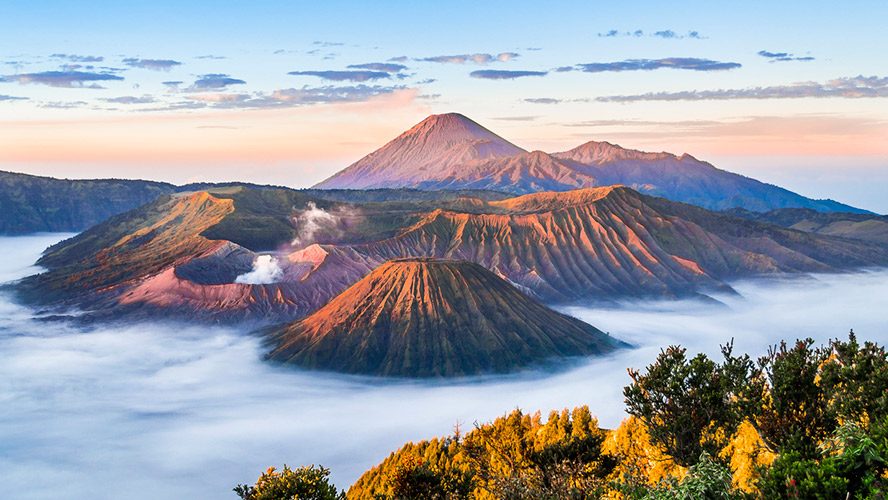
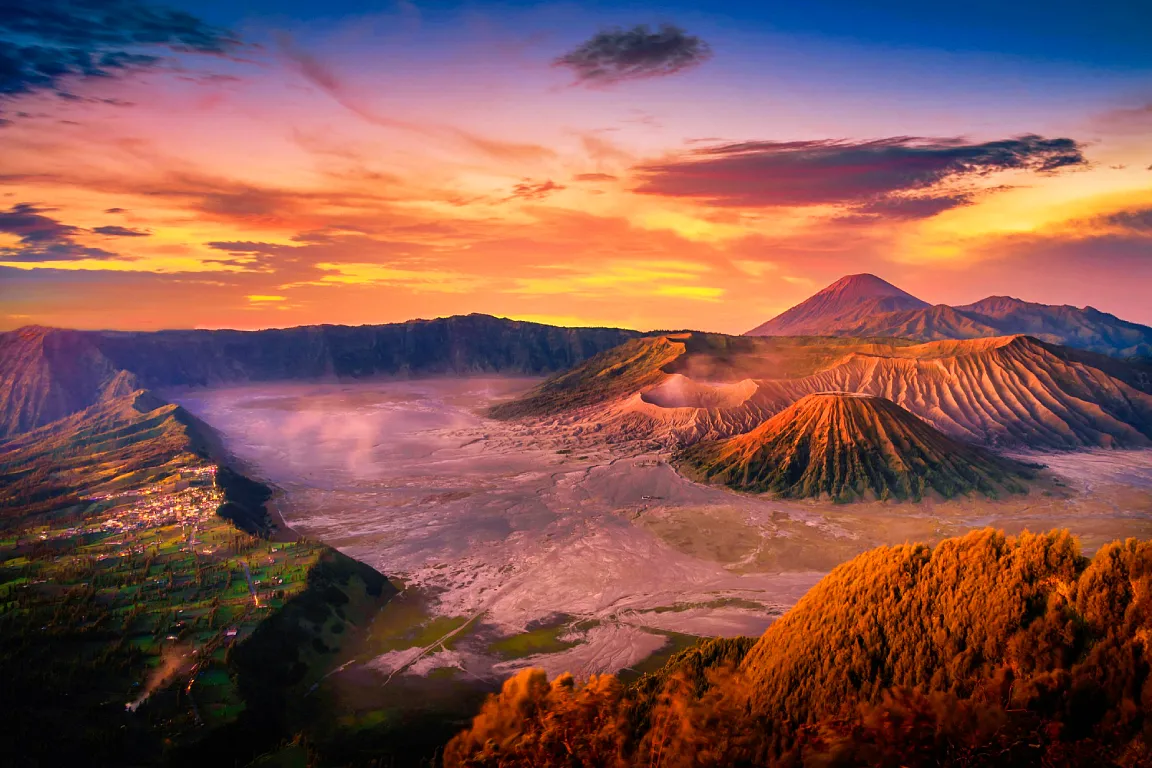
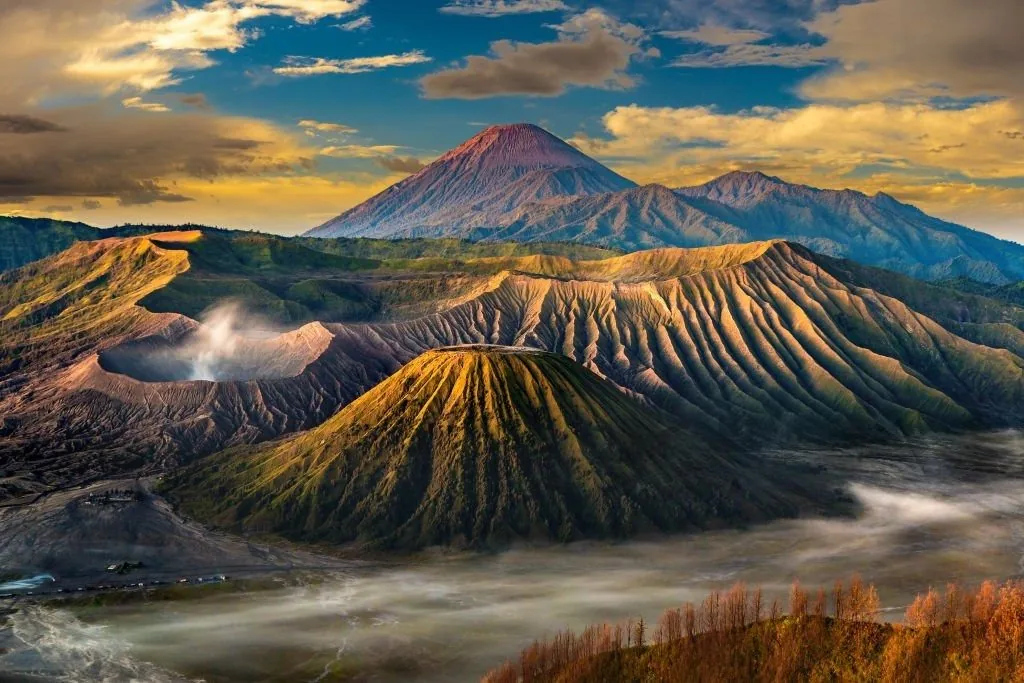
Mount Bromo, though farther east in Probolinggo, remains a fixture of multi-day Jakarta volcano expeditions. The caldera spans ten kilometres. Sunrise viewpoints at Penanjakan and Seruni overlook the crater's 2,329-metre cone, which rises from a sand sea of volcanic ash. The Tengger people, an ethnic subgroup descended from the Majapahit kingdom, conduct annual Yadnya Kasada ceremonies on Bromo's slopes, offering rice, livestock, and fruit to the crater in exchange for harvest blessings. These rituals predate Indonesia's independence by five centuries.
"Of the world's 147 historically active volcanoes, 76 rise from Indonesian soil."
A step-by-step walkthrough of Volcano Tour From Jakarta tickets — what you'll see, how long each stage takes, and the details that matter.
You leave Jakarta before dawn, the highway still dark as the city's kampungs slip into rearview. Two hours north, the road climbs through terraced hillsides where the air cools and thins. At Cikahuripan, you pay the 200,000 IDR conservation fee and continue uphill, past vendors selling sulphur chunks and boiled corn.
The parking area sits at the crater's edge.
You step out into a landscape stripped of green. The ground is grey-brown scoria, the air sharp with hydrogen sulphide. Wooden walkways lead to the rim of Kawah Ratu, where you lean over a low barrier and watch steam rise from fissures 50 metres below. The crater floor is streaked yellow and white — elemental sulphur and gypsum, deposited by fumaroles that hiss and spit. A second crater, Kawah Upas, lies 300 metres west, its walls terraced in oxidised iron.
If you've chosen the Krakatoa route, the morning begins on a fibreglass speedboat off Carita Beach. The Sunda Strait is calm at sunrise. Anak Krakatau appears as a dark pyramid on the horizon, its slopes barren and black. Your guide cuts the engine 1.5 kilometres out. You hear the mountain before you see the activity — a low, irregular rumble, followed by a plume of ash that climbs vertically before the wind bends it south. The boat circles slowly. No one speaks.
The conservation fee is 200,000 IDR per person on weekdays, with higher rates applicable on weekends.
The best arrival window is 08:00–10:00 to ensure clear views at Tangkuban Perahu before the mist rolls in.
The volcanic paths are rugged and uneven, making them unsuitable for wheelchairs.
Children are welcome, but parents must supervise them closely near the sulfur vents and crater edges.
While walk-ins are possible, booking your volcano tour from jakarta tickets in advance ensures priority transit.
Yes, you may bring snacks, but please dispose of waste properly to protect the West Java park environment.
Wear layers and sturdy hiking shoes to navigate the changing temperatures and rocky terrain found on this West Java attraction.
Yes, provided you follow the marked paths and heed the advice of park rangers regarding gas levels.
A full day is recommended for the volcano tour from jakarta including travel time from the city center.