14 hr
Full-Day Volcano, Tea Plantation & Hot Spring Adventure from Jakarta
Explore an active volcanic crater, wander through emerald tea estates, and unwind in natural thermal pools
Reserve
Hand-picked by our editors — only the best 5 experiences from 12 reviewed.
Verified partners for every tour, free cancellation where available, and instant confirmation on every booking.
14 hr
Explore an active volcanic crater, wander through emerald tea estates, and unwind in natural thermal pools
Reserve
14 hr
Explore an active volcanic crater, wander through emerald tea terraces, and soak in natural hot springs
Reserve
12 hr
Full-day escape from Jakarta to explore volcanic craters, walk a jungle suspension bridge, and soak in thermal springs
ReservePrices from verified partners. Availability updates in real time at checkout. Free cancellation policies apply where shown.
The landmarks, rooms, and views travelers on this tour remember — all visible on a single visit.
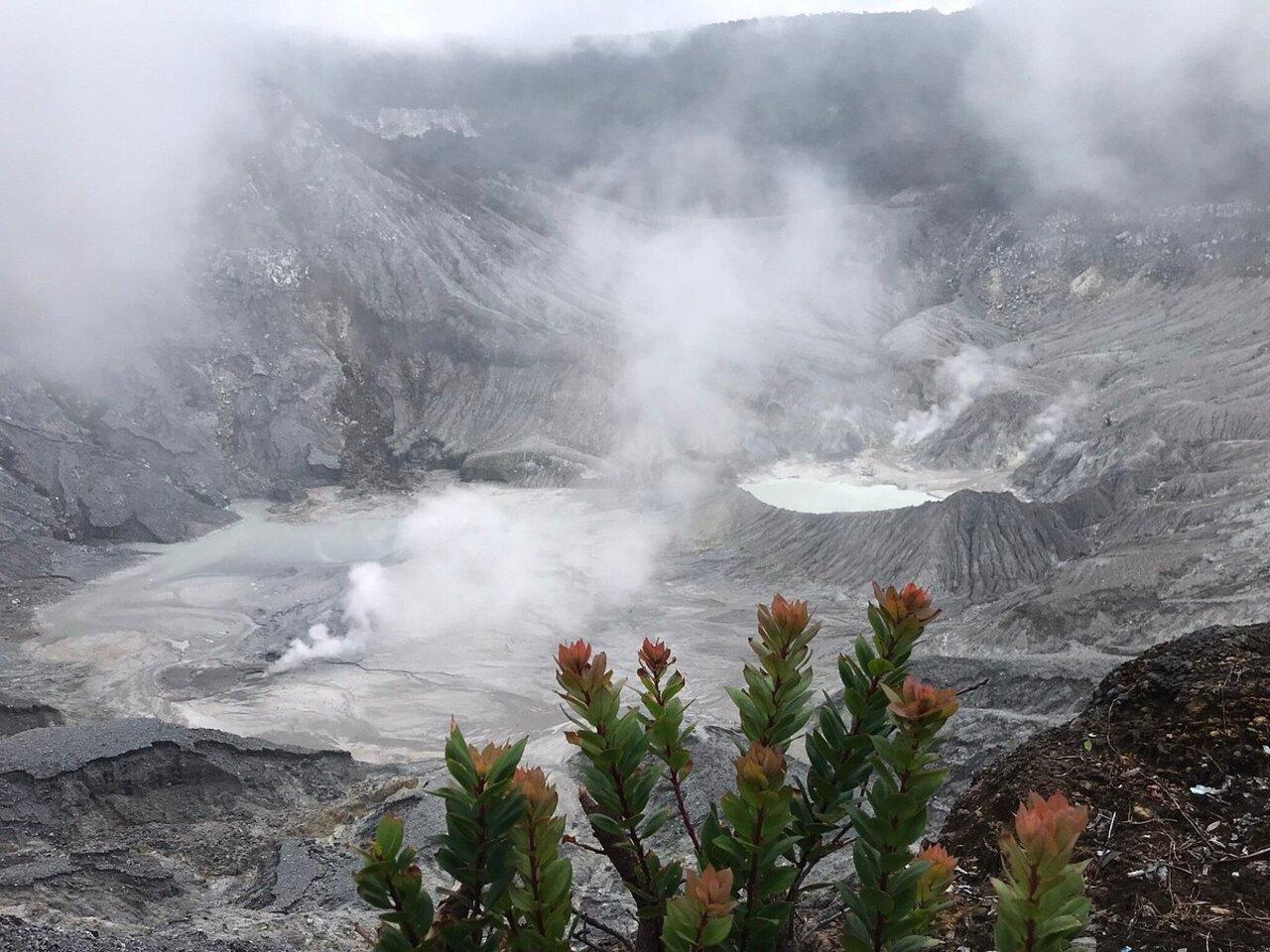
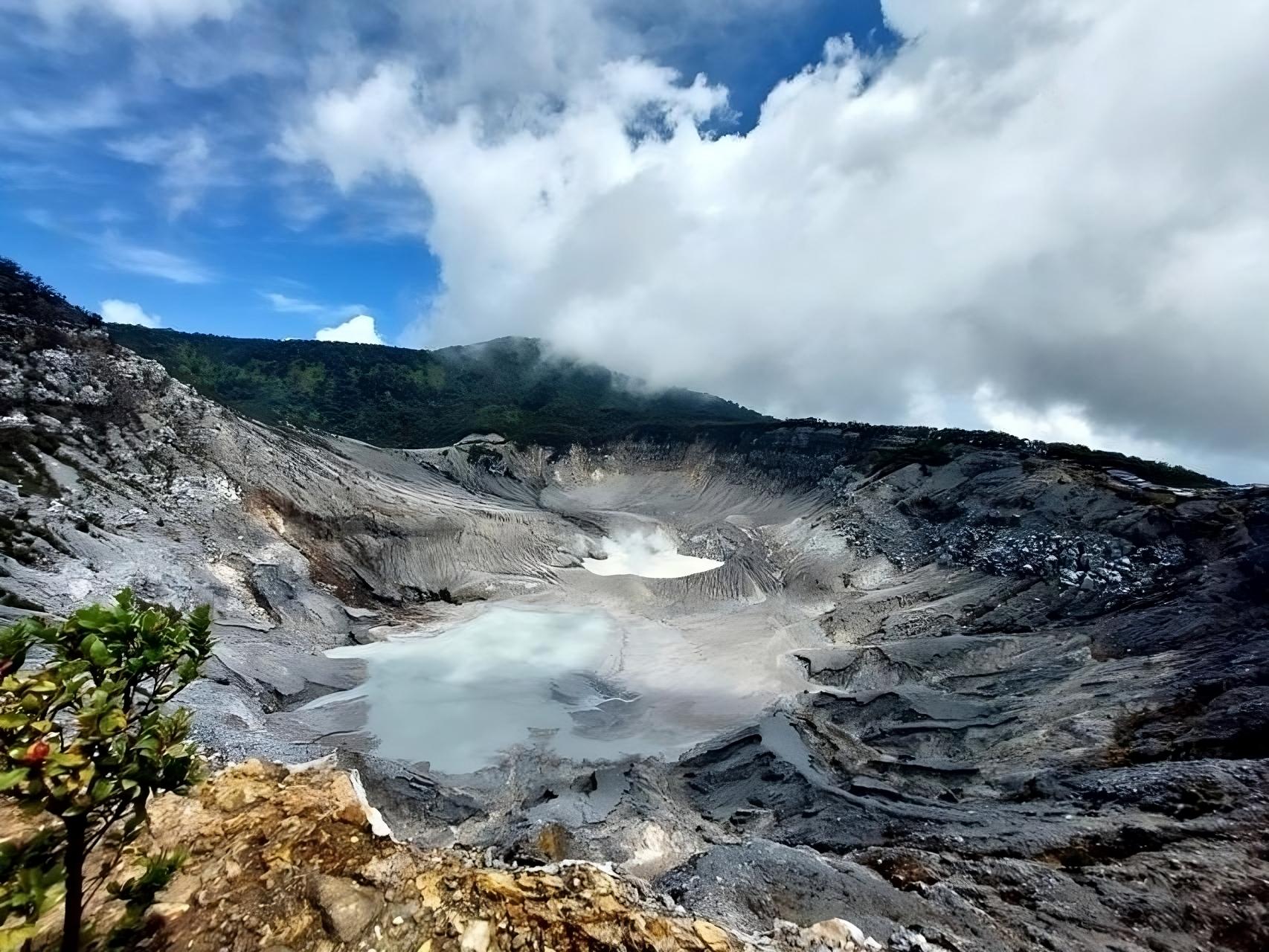
The largest active crater where you can witness rising steam and sulfuric vents. It is the primary stop for any Bandung volcano tour from Jakarta.
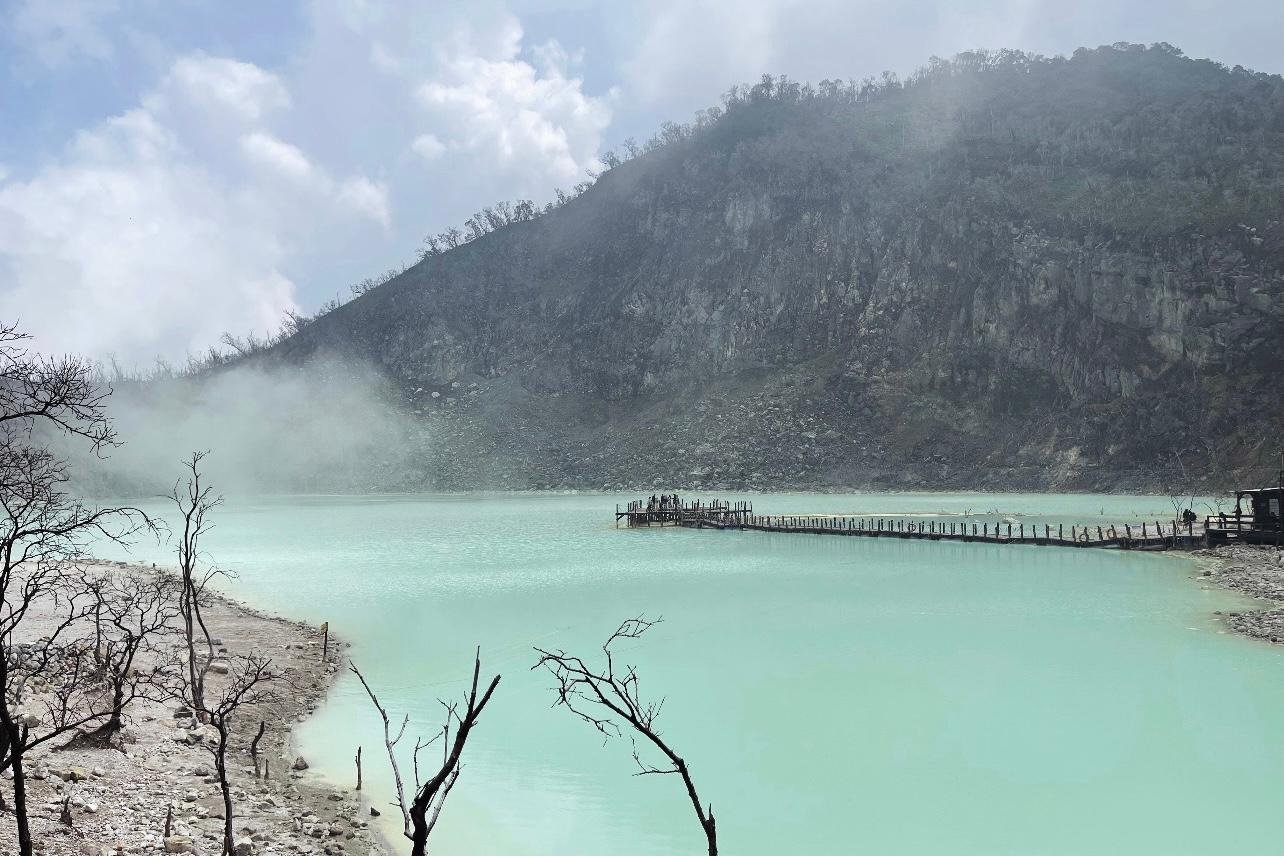
Tangkuban Perahu offers rugged accessibility near Lembang, while Kawah Putih provides a serene, otherworldly atmosphere in southern Bandung. Choosing the right bandung volcano tour from jakarta depends on whether you prefer expansive craters or a quiet, alkaline lake.
| Feature | Top pick Tangkuban Perahu | Kawah Putih |
|---|---|---|
Location from Bandung city center |
30 km north | 50 km south |
Crater accessibility |
High via vehicle access | High via shuttle transport |
Color of volcanic lake |
Greyish-green | Turquoise-white |
Sulfur intensity |
Strong and present | Moderate and intermittent |
Difficulty of the trek from Jakarta |
Moderate travel time | High travel time |
| See tickets → |
Verdict: Those seeking a classic bandung volcano tour from jakarta tours experience will appreciate Tangkuban Perahu's direct access, whereas travelers desiring unique photography should secure bandung volcano tour from jakarta tickets for the more remote Kawah Putih.
Choose your ticket, select your date, and reserve in under two minutes. Secure checkout handled by our verified partner.
Instant confirmation by email, with a mobile voucher you can save offline. No printing, no queuing at a collection desk.
Arrive at the entrance, show your voucher on your phone, and walk in. Most tickets include priority or skip-the-line access.
Practical details for your visit straight from our verified partners — hours, access, rules, and how to get there.
Jakarta city center
Standard pickup for private transfers
Private transfers take 3–4 hours via the Cipularang Toll Road. This is the most efficient way to maintain a schedule for a Bandung volcano tour from Jakarta.
Take the train to Bandung Station, then hire a local taxi or ride-share for the final 1-hour journey. This method is budget-friendly but requires more coordination.
The volcanic terrain requires sturdy, closed-toe walking shoes to navigate uneven surfaces. Given the elevation, visitors should wear layers, including a light jacket, as temperatures at the crater rim are significantly cooler than in Jakarta.
Standard backpacks are permitted for carrying personal items and water. Security may inspect bags at the entrance gate of the Tangkuban Perahu site.
Photography is permitted throughout the active volcanic craters and surrounding forest trails. Tripods are generally allowed, but be mindful of narrow pathways and other visitors.
The main viewing area at Kawah Ratu is accessible via a paved pathway, though steep inclines exist. Visitors with mobility constraints may find the terrain challenging near the secondary craters.
Mobile reception can be inconsistent within the crater basin. It is advisable to download offline maps before starting your Bandung volcano tour from Jakarta.
The site is suitable for school-aged children who can navigate moderate inclines. Parents should supervise children closely near crater edges due to shifting volcanic soil.
Numerous local vendors operate near the parking areas, offering traditional Indonesian snacks and warm beverages. Bringing a reusable water bottle is recommended to stay hydrated at higher altitudes.
Pets are not allowed inside the conservation area to protect the natural habitat. Service animals must be documented prior to arrival.
As an active volcano, the site may implement temporary closures if volcanic activity levels rise. Always check local advisories before finalizing your travel plans from Jakarta.
Best time to go, insider tips, nearby landmarks, and the cancellation fine print — flip through to skim what matters to you.
How crowds, weather, and events shift across the year.
This period offers the clearest skies and minimal rain, ideal for viewing the volcanic landscape. Temperatures are stable and comfortable during these months.
Mornings are generally dry, but afternoon showers are frequent. Visitors should plan their trip to conclude by early afternoon.
Small details that turn a good visit into a great one.
Visit mid-week to ensure a calmer experience at the crater rim. Weekends often see significant traffic delays on the access roads.
Vendors at the attraction primarily accept cash. Have small denominations ready for food and parking fees.
Fog can roll in quickly at this altitude. If the forecast indicates heavy rain, prioritize morning activities.
Stick to marked paths to avoid unstable volcanic ground. The soil around the crater is composed of sulfur and ash.
If you book a Bandung volcano tour from Jakarta, confirm if the conservation fee is included in your tickets. Prices can fluctuate for international guests.
Non-bookable sights within a short walk — free to visit, easy to pair.
A large forest garden featuring elevated wooden walkways and diverse orchid species.
Flexible, no hidden fees.
Full refunds are provided for cancellations made at least 24 hours prior to the scheduled start time. This policy applies to bookings including the standard 200,000 IDR conservation fee for foreign adult visitors.
Hand-picked options within walking distance — pick a district for vibe, or a specific hotel for convenience.
Features traditional architecture and proximity to local attractions.
Tangkuban Perahu's active crater sits 2,084 metres above sea level, its sulfurous vents visible from the paved viewing platform that runs along the northern rim. The name translates to "upturned boat," a reference to the caldera's inverted hull shape when seen from Bandung's valley floor. Geologists date the most recent phreatic eruption to 2019, when ash plumes briefly closed the site; today the conservation authority monitors seismic activity in real time, and the crater remains open seven days a week under West Java's provincial park system. Bandung volcano tour from Jakarta itineraries typically depart before dawn to clear the Puncak Pass toll road ahead of mid-morning traffic, arriving at the Lembang gate by 08:00. The route climbs through terraced tea estates that supply much of Indonesia's domestic black-tea market, the plantations visible as geometric green blocks against the volcanic soil. Tangkuban Perahu itself offers three named craters—Kawah Ratu, the largest and most accessible; Kawah Domas, where visitors wade through ankle-deep thermal pools; and Kawah Upas, reached by a fifteen-minute forest trail. The conservation fee structure separates domestic and foreign visitors, with weekday rates lower than weekend pricing. The volcano sits within a larger itinerary framework that includes Ciater hot springs, fed by the same geothermal system that heats Kawah Domas, and the Lembang Floating Market, a bamboo-raft vendor complex built over a reclaimed reservoir. Tour operators from Jakarta bundle these stops into ten- to twelve-hour packages, with return drop-off to central Jakarta hotels by 19:00. The geology here is part of the Sunda Arc, the volcanic chain that runs the length of Sumatra and Java, and Tangkuban Perahu remains one of the few active craters in Indonesia where private vehicles can drive to within fifty metres of the vent. The site's accessibility has made it West Java's second-most-visited natural landmark after Kawah Putih, though its altitude means temperatures at the rim average eight to twelve degrees cooler than Bandung's city center, and morning fog can obscure the crater floor until mid-morning sun breaks through.
"The volcano sits within the Sunda Arc, one of the few active craters in Indonesia where vehicles can approach within fifty metres of the vent."
A step-by-step walkthrough of the visit — what you'll see, how long each stage takes, and the details that matter.
You leave Jakarta in darkness, the tour van threading south through Cikarang's industrial corridor before the climb begins in earnest past Puncak's tea-stall villages. By the time you reach Lembang the sun has crested the ridgeline, and the air carries the faint bite of sulfur even before the park gate comes into view. Your guide collects the entry pass—200,000 rupiah for foreign visitors—and the van continues up the final switchback to the crater-rim parking area. You step out into cool highland air, fifteen degrees below Jakarta's humidity, and walk fifty paces to the wooden observation deck. Kawah Ratu's floor spreads below, a grey-white basin streaked with yellow sulfur deposits and venting steam in slow, silent plumes. The guide points out the monitoring stations on the far rim, then leads you down a gravel path to Kawah Domas, where thermal water pools between the rocks. You slip off your shoes and wade in; the water is blood-warm, and the mineral smell is sharper here, clinging to your clothes. An hour later you're back in the van, descending through the tea plantations toward Ciater's hot-spring complex. You soak in one of the tiled public pools, the water sourced from the same geothermal veins you saw venting at the crater, then dry off and continue to the floating market for a late lunch of grilled corn and tea served on bamboo rafts. The return drive begins by 15:00, and you reach Jakarta's toll gates as the sun drops behind the city's western edge.
The attraction is open daily from 07:00–17:00. These hours apply throughout the week.
Yes, tickets can be purchased at the gate, though booking a tour in advance is recommended for seamless access. The conservation fee is 200,000 IDR for foreign adult visitors.
The main crater rim is accessible via paved paths, but the terrain is steep. Some areas may be difficult for those requiring assistance.
Prohibited items include drones, flammable materials, alcohol, and weapons. Keep your belongings organized during your Bandung volcano tour from Jakarta.
The best arrival window is 07:00–10:00 to avoid mid-day heat and heavy traffic. Arriving early also ensures a clearer view of the volcanic landscape.
There is no strict dress code, but sturdy, closed-toe shoes and warm layers are recommended. Weather at the crater rim can be chilly.
Yes, you can bring small snacks and water for your trip. Various local vendors are also available near the parking areas.
The journey typically takes 3–4 hours by car from Jakarta, depending on traffic conditions. Many prefer to book a Bandung volcano tour from Jakarta for convenience.
Yes, children are welcome on a Bandung volcano tour from Jakarta. Please supervise them closely near crater edges due to the natural terrain.