14 hr
Full-Day Volcano & Hot Spring Adventure from Jakarta
Journey from Jakarta to volcanic craters, tea gardens, tropical fruit markets, and healing thermal baths
Reserve
Hand-picked by our editors — only the best 5 experiences from 47 reviewed
Verified partners for every tour, free cancellation where available, and instant confirmation on every booking.
14 hr
Journey from Jakarta to volcanic craters, tea gardens, tropical fruit markets, and healing thermal baths
Reserve
12 hr
Full-day escape from Jakarta to West Java's volcanic landscapes, forest bridges, and thermal pools
Reserve
14 hr
Journey through volcanic landscapes, soak in natural hot springs, and explore highland tea estates
ReservePrices from verified partners. Availability updates in real time at checkout. Free cancellation policies apply where shown.
The landmarks, rooms, and views travelers on this tour remember — all visible on a single visit.
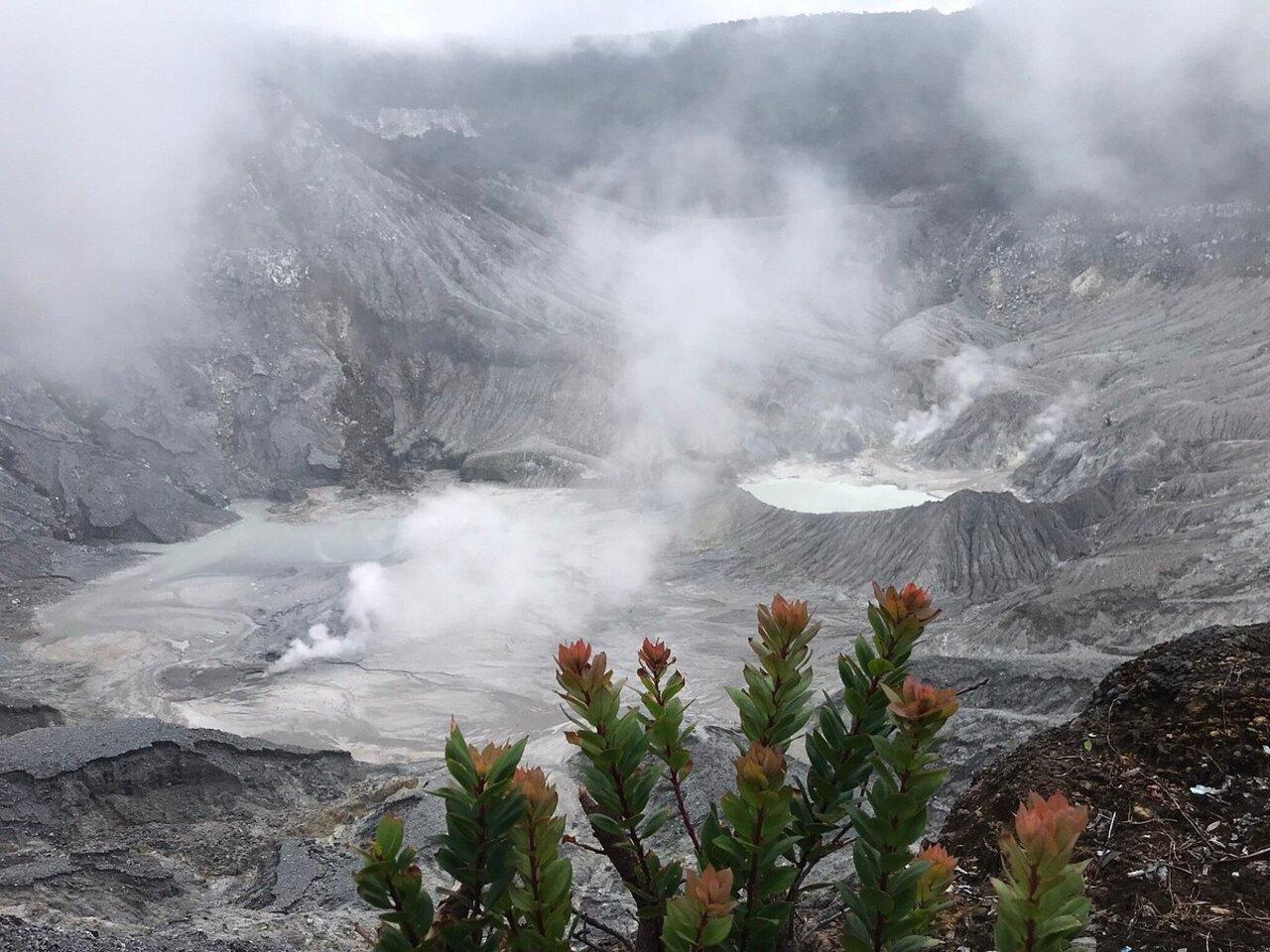
The main crater is the primary feature of this Jakarta volcano day trip. It is known for its wide, dramatic landscape and persistent sulfuric steam.
Located below the main rim, this area features hot springs and natural steam vents. It is a shorter, slightly more challenging walk.
This secondary crater offers a more secluded atmosphere for visitors. It is surrounded by lush forest trails.
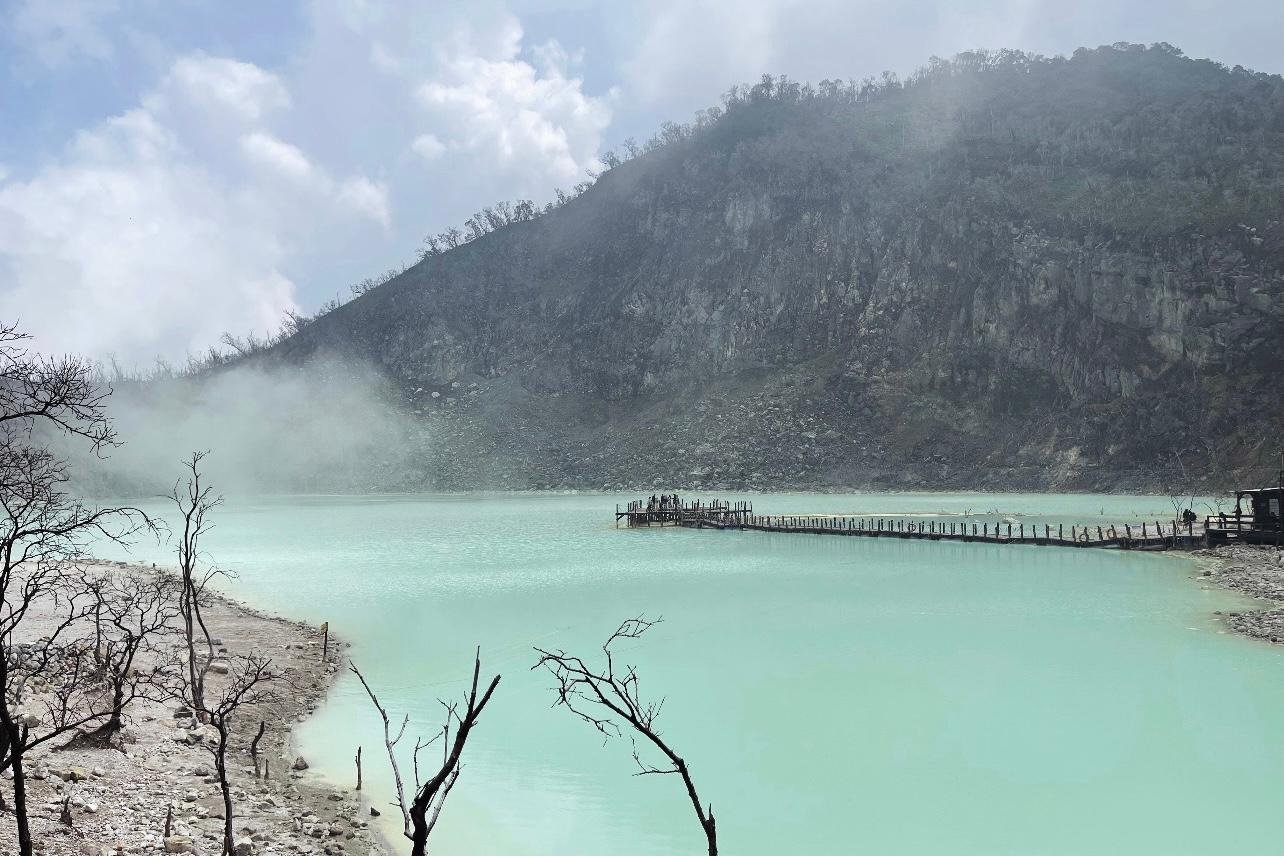
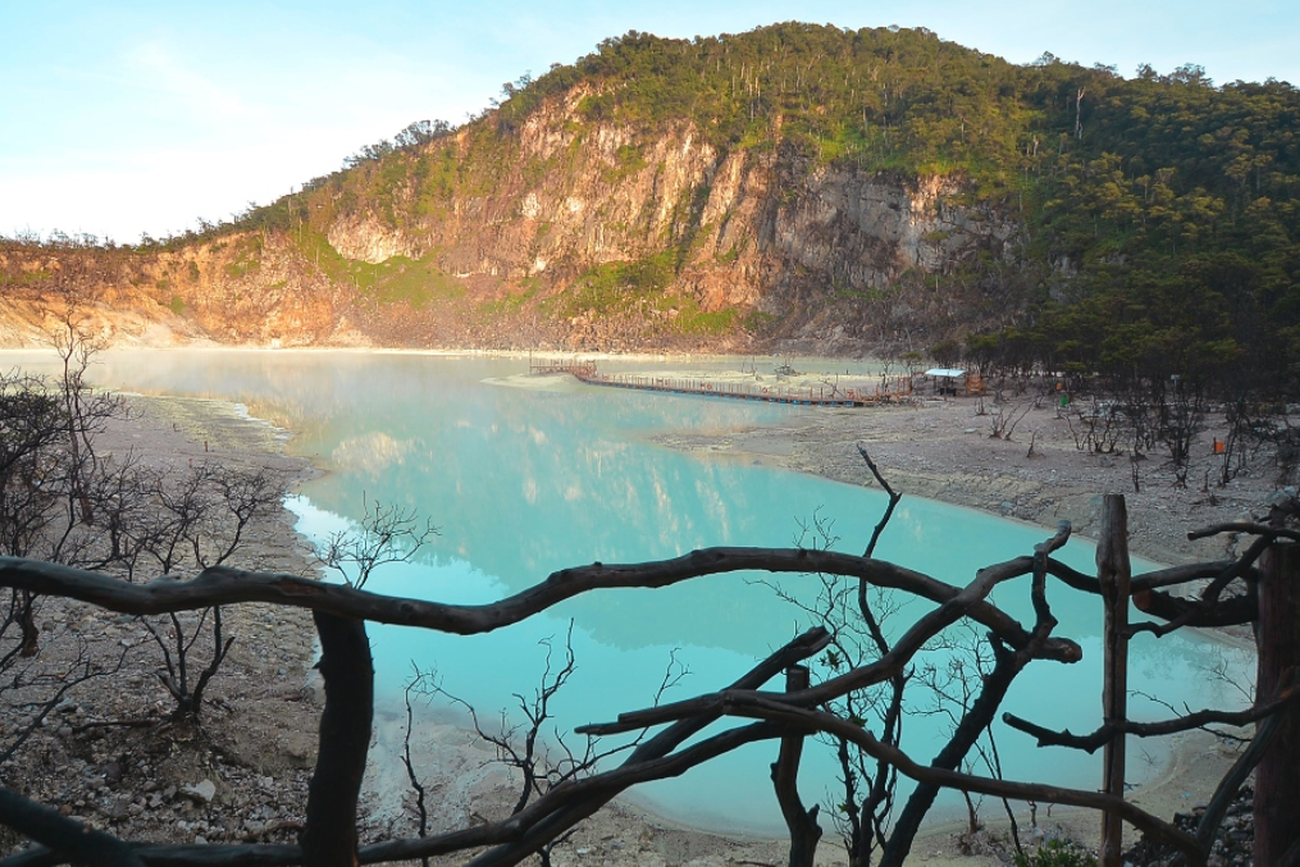
Tangkuban Perahu offers superior convenience for those seeking accessible West Java landmarks, while Kawah Putih provides a more dramatic color palette for travelers booking jakarta volcano day trip tours.
| Feature | Top pick Tangkuban Perahu | Kawah Putih |
|---|---|---|
Crater accessibility |
Drive to rim | Hiking required |
Visual aesthetic |
Rugged volcanic landscape | White-turquoise acidic lake |
Proximity to Bandung |
30 minutes | 90 minutes |
Drive time from Jakarta |
3.5–4.5 hours | 4–5 hours |
Sulfur intensity |
High | Moderate |
Family-friendly facilities |
Well-developed infrastructure | Basic amenities |
| See tickets → |
Verdict: Choose Tangkuban Perahu for ease of access on your jakarta volcano day trip, or select Kawah Putih if you prioritize the unique visual appeal of a crater lake over travel time.
Choose your ticket, select your date, and reserve in under two minutes. Secure checkout handled by our verified partner.
Instant confirmation by email, with a mobile voucher you can save offline. No printing, no queuing at a collection desk.
Arrive at the entrance, show your voucher on your phone, and walk in. Most tickets include priority or skip-the-line access.
Practical details for your visit straight from our verified partners — hours, access, rules, and how to get there.
Jl. Tangkuban Parahu No. 282
Primary assembly point for group transport
Private transfer is the most efficient option for a jakarta volcano day trip. Travel via the Cipularang toll road usually takes 3 to 4 hours from Jakarta.
Take a train from Jakarta to Bandung then a local minibus to Lembang. The total travel time exceeds 5 hours.
Dress in layers as temperatures at Tangkuban Parahu can drop significantly compared to Jakarta. Wear sturdy walking shoes suitable for volcanic soil and rocky terrain.
Standard backpacks are permitted for a jakarta volcano day trip. Security staff may conduct checks at the entry gate of the national park area.
Photography is permitted throughout the Tangkuban Parahu crater rim areas. Drones require special permits and are generally restricted near active volcanic vents.
The terrain at this Jakarta volcano day trip destination consists of natural, unpaved surfaces. Accessibility for wheelchairs is extremely limited due to the steep, volcanic landscape.
Mobile signal is generally reliable at the higher elevations. Use devices to capture the sulfuric crater formations during your jakarta volcano day trip.
The site is suitable for older children who can navigate uneven paths. Parents should keep children away from the edge of the active volcanic craters.
Local vendors operate stalls near the parking area serving Indonesian snacks. Visitors are encouraged to bring their own bottled water for the duration of the jakarta volcano day trip.
Pets are not allowed within the conservation area to protect local wildlife. Please make arrangements for animal care before your jakarta volcano day trip.
The site is an active volcano monitored by geological authorities. Follow all warning signs and instructions from site officials during your jakarta volcano day trip.
Jl. Tangkuban Parahu No. 282
Primary assembly point for group transport
Get directionsBest time to go, insider tips, nearby landmarks, and the cancellation fine print — flip through to skim what matters to you.
How crowds, weather, and events shift across the year.
The dry season from June to September offers the clearest crater views. Temperatures remain cool at this altitude during these months.
High season weather is ideal for a jakarta volcano day trip. Humidity is lower than in the coastal capital.
Small details that turn a good visit into a great one.
Begin your jakarta volcano day trip by 07:00. This ensures you are at the gates during the best arrival window of 07:00–09:00.
Bring a face mask if you are sensitive to sulfuric odors. The gases near the crater can be strong on windless days.
Hire a private driver for your jakarta volcano day trip tour to avoid navigating complex local minibus routes.
Prioritize grip over style. The volcanic dust can make paths slippery even when dry.
Prepare 200,000 IDR per person for the entrance fee. Ensure you carry the correct currency for your jakarta volcano day trip tickets.
Non-bookable sights within a short walk — free to visit, easy to pair.
A scenic forest area featuring suspended bridges and diverse orchid species.
A popular destination offering food stalls on boats and leisure activities.
A western-themed park offering horseback riding and family recreation.
Flexible, no hidden fees.
Booking cancellations are subject to the specific terms of your selected jakarta volcano day trip tour operator. Please note that the conservation fee of 200,000 IDR per person is non-refundable.
Hand-picked options within walking distance — pick a district for vibe, or a specific hotel for convenience.
Comfortable lodging located close to local transport routes.
Modern cabins nestled in the pine forest for a quiet retreat.
Tangkuban Perahu last erupted in 2019, releasing ash plumes that closed the crater rim for eight months. The 2,084-metre stratovolcano sits 30 kilometres north of Bandung, reachable from Jakarta in under four hours via the Purbaleunyi toll road. Its name translates to "upturned boat," a reference to the ridgeline's silhouette when viewed from the southern plain. Dutch colonial surveyors mapped the caldera system in 1829, identifying three distinct craters: Kawah Ratu, the largest and most accessible; Kawah Domas, a shallow sulphur pool where visitors once boiled eggs in fumarole vents; and Kawah Upas, the smallest and least visited. The conservation area surrounding the volcano spans 1,200 hectares of montane forest, administered by Perum Perhutani and open daily from 07:00 to 17:00. A paved access road climbs to within 200 metres of Kawah Ratu's southern rim, allowing visitors to walk directly to the observation deck without descending into the caldera. The crater floor emits continuous sulphur vapour, and seismic monitoring stations ring the summit to track magma movement beneath the cone. Foreign visitors pay a 200,000 IDR conservation fee on weekdays, reduced from the 2018 rate of 300,000 IDR following a decline in international arrivals during the pandemic years. Jakarta volcano day trip itineraries typically pair Tangkuban Perahu with secondary stops in Lembang, a highland town known for tea plantations and geothermal springs. The route north from Bandung ascends through pine forests and smallholder vegetable farms that supply the city's wholesale markets. Most guided excursions depart Jakarta before dawn to reach the crater rim by 09:00, when cloud cover is lightest and visibility extends across the caldera to the northern ridge. The return journey often includes a detour to Ciater hot springs, a developed resort area 15 kilometres east of the volcano, where sulphuric water is channelled into tiled pools. The volcanic arc that includes Tangkuban Perahu stretches from Krakatoa in the west to Mount Merapi near Yogyakarta, part of the Sunda subduction zone where the Indo-Australian Plate dives beneath Sundaland. Geologists classify Tangkuban Perahu as a polygenetic volcano, built from multiple eruptive cycles over the past 40,000 years. The current cone replaced an older structure that collapsed during a Plinian eruption, leaving the horseshoe-shaped caldera visible today. Fumarole temperatures at Kawah Ratu average 80 degrees Celsius, and the crater lake's pH hovers near 1.5, acidic enough to corrode metal observation railings within a season.
"The crater floor emits continuous sulphur vapour, and seismic monitoring stations ring the summit to track magma movement beneath the cone."
A step-by-step walkthrough of the visit — what you'll see, how long each stage takes, and the details that matter.
You leave Jakarta before sunrise, crossing the Cikarang industrial corridor as the toll road climbs into West Java's green interior. Two hours later the highway narrows at Padalarang, where the route switchbacks through terraced hillsides planted with cassava and maize. Your driver exits at Lembang, following a provincial road lined with roadside stalls selling strawberries and cut flowers. The air cools as the elevation passes 1,400 metres, and pine forests replace the lowland rubber plantations. At the Tangkuban Perahu gate you pay the 200,000 IDR conservation fee and receive a paper ticket stamped with the day's date. The paved access road spirals upward for three kilometres, ending at a gravel car park 200 metres below the crater rim. You walk the final incline on foot, passing souvenir vendors and a row of concrete benches. The path opens onto a steel observation platform anchored to the southern rim, where sulphur vapour rises in vertical plumes from Kawah Ratu's floor. The lake below is milky green, its surface broken by bubbling vents. A wooden boardwalk descends partway into the caldera, but park rangers rope off the lower section when gas concentrations spike. You spend 30 minutes circling the rim, photographing the fumaroles and the ridgeline to the north, then return to the vehicle for the descent to Ciater's geothermal pools.
Tangkuban Parahu is open daily from 07:00–17:00. These hours apply throughout the week including weekends.
The conservation fee is 200,000 IDR per person for foreign visitors. This is the official price for weekday access.
For the best experience, plan your arrival between 07:00–09:00 to avoid heat and crowds. This ensures the clearest views of the crater.
The site involves walking on unpaved paths. While beautiful, it is not fully accessible for those with limited mobility.
Yes, standard bags are allowed. Keep your personal items secure while walking near the volcanic rim.
Wear comfortable, layered clothing and sturdy shoes. The mountain weather is significantly cooler than in Jakarta.
Yes, there are local vendors selling snacks and drinks. We recommend carrying your own water for the day.
The most reliable way is via private car rental or a guided jakarta volcano day trip tour from Jakarta. Public transport is difficult to navigate.
Check with your specific operator for tour-related cancellations. Note that the 200,000 IDR conservation fee is non-refundable.